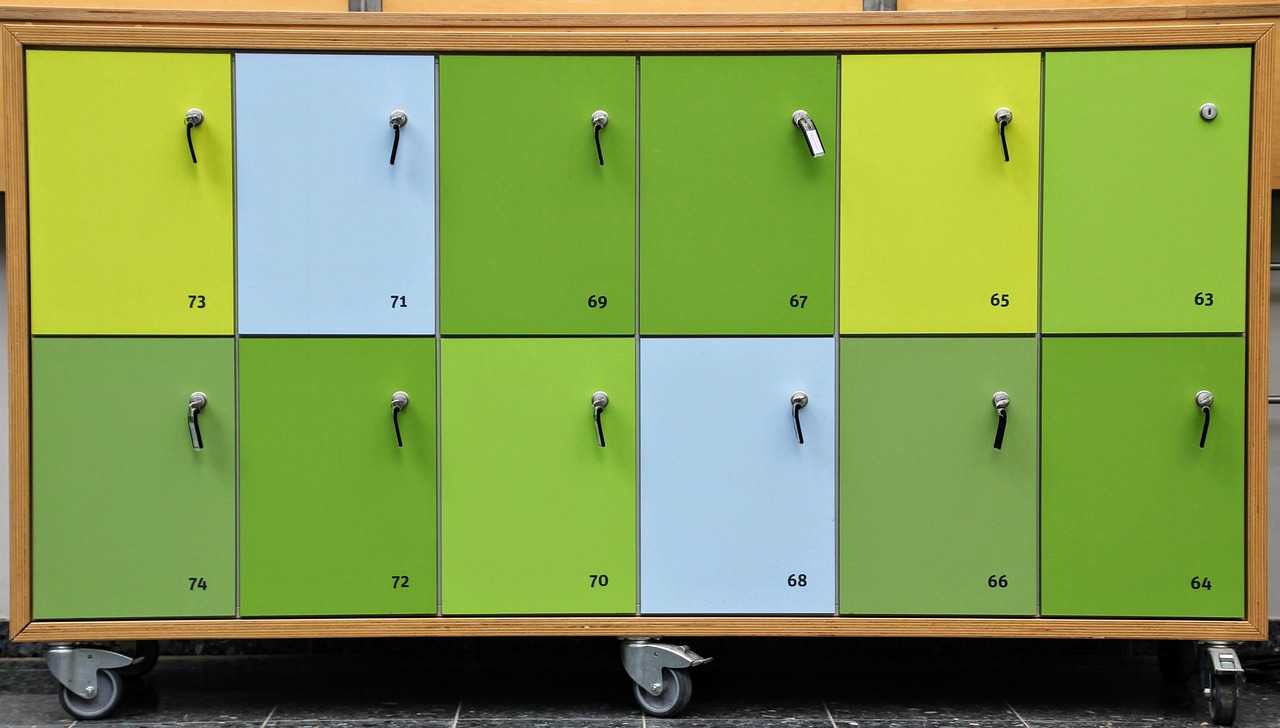
When people talk about cleanliness in shared workplaces, they usually mean handwashing, surface cleaning and the obvious rules everyone can see. Storage gets less attention. Yet the way staff keep coats, shoes, uniforms and personal items can quietly shape how tidy, practical and hygienic a site feels from one day to the next.
This is especially true in places where damp, spills or frequent washdowns are routine. In those settings, materials matter. Wood can swell, metal can rust or dent, and awkward corners are a pain to clean. That is one reason many facilities managers now look more closely at plastic lockers when planning staff areas for food production, leisure centres and other hard-working environments. The appeal is less about fashion and more about avoiding maintenance problems over time.
The point goes beyond any one product. Good storage shapes behaviour. If lockers are easy to wipe down, simple to use and sturdy enough for daily wear, people are more likely to keep spaces orderly. That can make changing rooms and corridors feel less chaotic, especially on busy shifts when dozens of people are moving through at once.
What practical storage gets right
- It handles moisture and regular cleaning well.
- It helps separate work kit from personal belongings.
- It cuts clutter in shared staff areas.
- It lasts without constant repairs.
None of this is glamorous, and that is the point. Sensible workplace design is often invisible when it works well. We notice it when doors stick, surfaces stain, or storage becomes one more irritation in an already demanding job. In that sense, lockers are not just furniture. They are part of the daily systems that help a place run properly.
Featured image credit: by InstagramFOTOGRAFIN via pixabay.