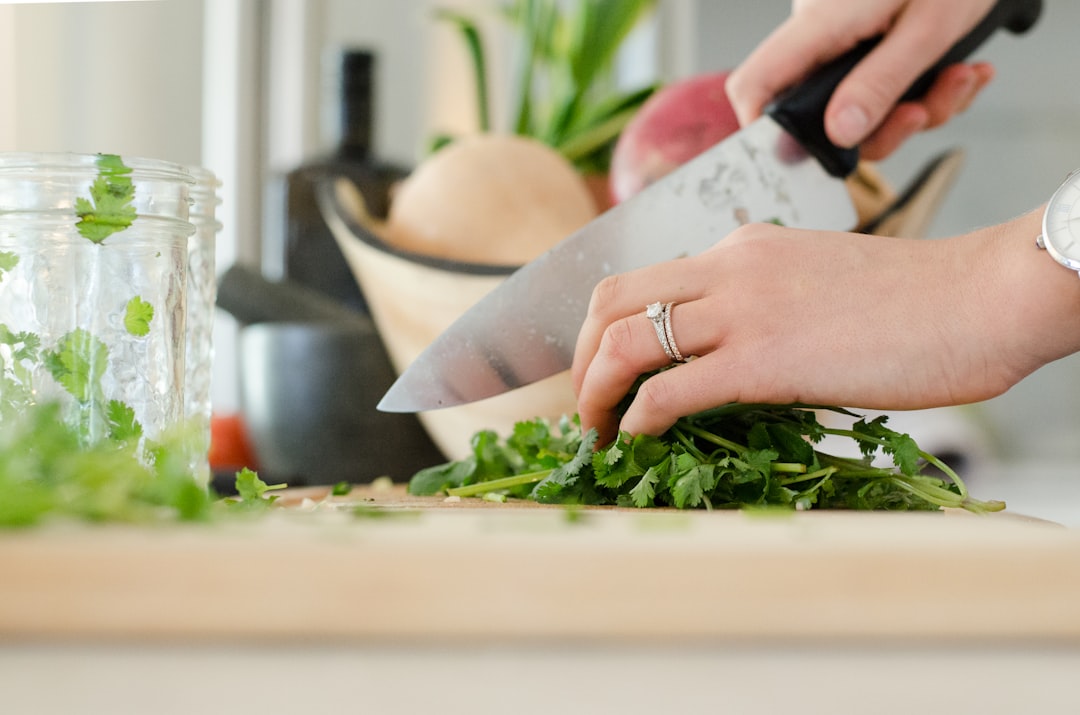
The kitchen is the heart of the home, but it’s also where a surprising amount of our energy, water, and waste adds up. Over the years — both at home and teaching food technology — I’ve come to see that a sustainable kitchen isn’t about expensive gadgets or doing everything perfectly. It’s about small, steady choices that are kinder to the planet and, more often than not, kinder to your wallet too. Here’s how I approach it in my own kitchen.
Cook a Little Smarter With Energy
How we cook matters as much as what we cook. Pop a lid on your pans and water boils faster using far less energy. Match the pan to the hob ring so heat isn’t escaping up the sides. Only boil as much water as you actually need in the kettle.
The oven is the biggest energy user of all, so make it earn its keep. Batch-cook and fill the shelves rather than roasting a single tray, and switch it off a few minutes early to let the residual heat finish the job. For smaller portions, a microwave, air fryer, or hob is almost always more efficient than firing up the whole oven.
Choose Equipment That Lasts
Fast, cheap kitchenware is a false economy. A good knife, a sturdy pan, and a solid wooden chopping board will outlast a drawer full of flimsy gadgets and save money in the long run. Look after what you have — keep knives sharp, season your pans, and repair rather than replace where you can. The most sustainable piece of equipment is the one you already own.
Shop With the Planet in Mind
A few habits make a real difference at the shops. Buy loose fruit and veg instead of pre-packed where you can, and take your own bags and containers. Choosing seasonal, local produce cuts the food miles and tends to taste better and cost less too.
Buying staples like rice, pasta, pulses, and flour in larger quantities reduces packaging and waste. And being realistic about how much you’ll actually use stops good food being bought only to be binned.
Cut Down on Single-Use Plastic
The kitchen is full of throwaway plastic if we let it. Swap clingfilm for beeswax wraps or simply a plate over a bowl. Reusable containers are perfect for leftovers and packed lunches. Cloth dishcloths and bamboo brushes replace endless rolls of kitchen towel. None of these are dramatic changes, but together they quietly add up.
Make the Most of Every Ingredient
Sustainability and good cooking go hand in hand. Use vegetable trimmings and bones for stock, turn stale bread into croutons or breadcrumbs, and freeze anything you can’t use in time. Treating ingredients with respect is exactly what I teach my students first — it’s the foundation of cooking well and wasting little.
Save Water Where You Can
Water is easy to overlook. Steam vegetables over one pan rather than boiling several, and reuse the cooled water for your houseplants. Wash up in a bowl rather than under a running tap, and only run the dishwasher when it’s full — modern machines use less water than washing by hand when they’re loaded properly.
Compost the Unavoidable
However careful we are, some scraps can’t be eaten. A small kitchen caddy or a compost bin in the garden turns peelings and offcuts into something genuinely useful, keeping them out of landfill and feeding the soil instead.
Small Steps, Real Change
You don’t need to overhaul your whole kitchen overnight. Pick one or two of these to start with, let them become second nature, then add another. A sustainable kitchen is simply a thoughtful one — cooking and shopping with a little more care. It’s better for the planet, lighter on your bills, and, I think, a more satisfying way to feed the people you love.